Laser Cutting & Engraving Services
Laser Engraving and Cutting
A New-age Way to Process Wood, Acrylic, Paper, MDF, Rubber Etc.
- Computerized laser engraving to replace traditional acid etching methods
- High accuracy in generating intricate artwork by using tightly-focused laser beam
- Process thin material and flimsy material like paper, metal foils, plastic sheets, etc
- Cut rigid materials like MDF, Acrylic, Balsa Wood, etc
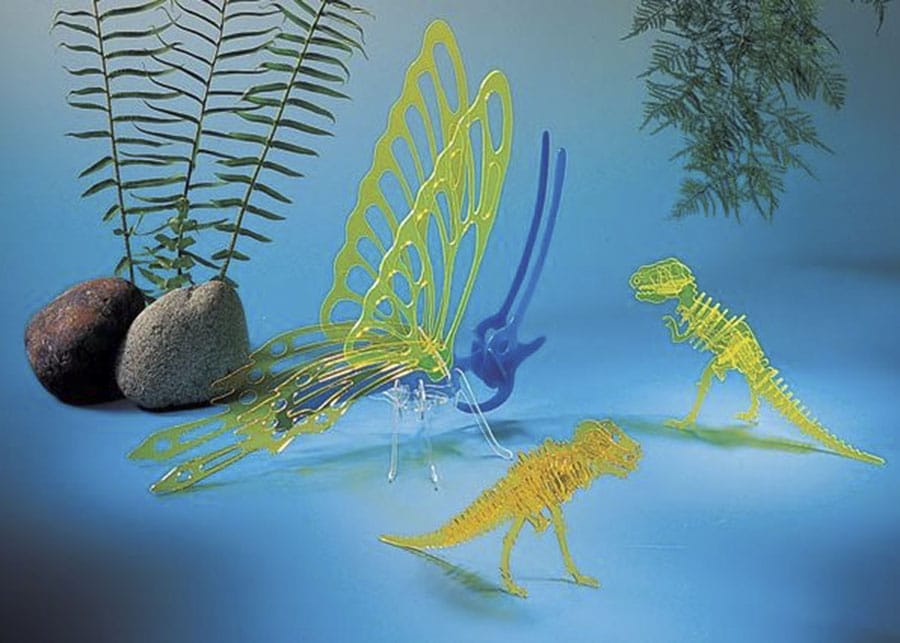
- Ideal for name-plates, tool-traced jigs, machine plates, fancy invites, architectural models, etc.
- Rate starting at ₹ 10 per minute of laser machine time
Shipping: Across India, MOQ applicable.
Pricing: Rate starting at ₹ 10 per minute of laser machine time
Everything about Laser Engraving and Cutting
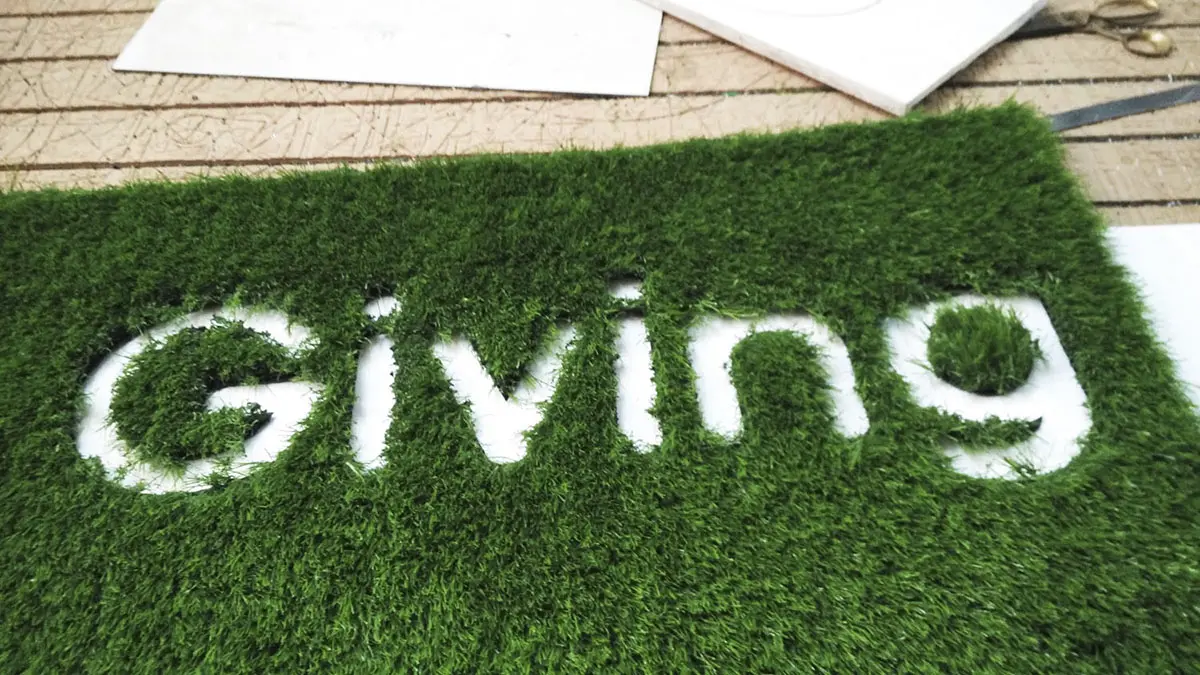
Laser cutting on the other hand is when we use the same laser beam at a much higher power to cut the object through and through.
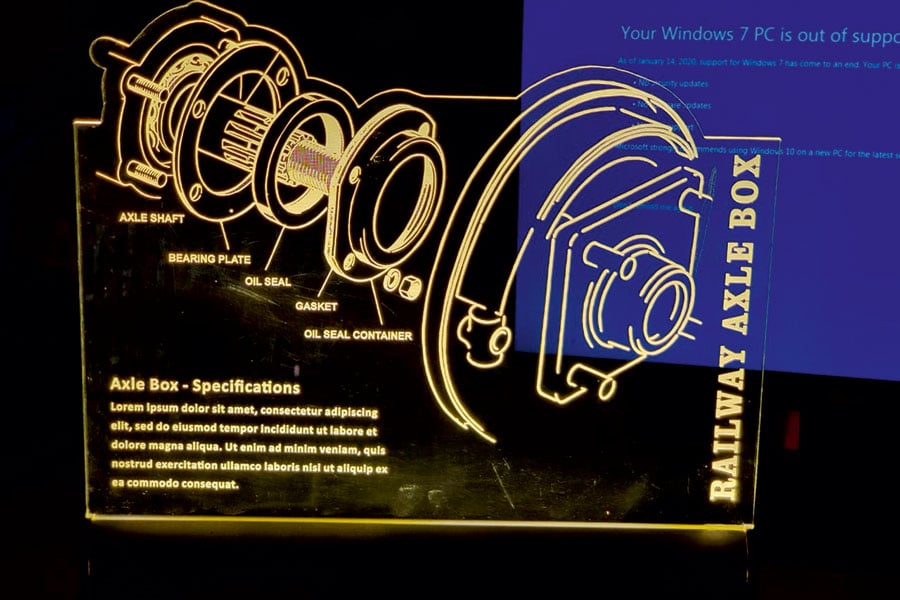
Laser engraving is a process where we use a tightly focused laser beam to etch a design on the surface of an object. This is also known as laser etching.
What is Laser Engraving or Laser Etching?
Think of a polished block of wood. When we fire a laser on it, we are essentially scratching its surface. This scratch could be superficial, removing only the polish on the top or a deeper gouge eating into the wood. Either ways, like with any scratch, a different color appears from beneath the surface.
Let us further assume that the block we just used is a white pine and the polish on top is of a dark brown color. Our laser scratch is going to appear white and in strong contrast to the surrounding brown paint. Now if the laser was fired in the shape of a logo or along the lines of a beautiful font to recreate a person’s name, we get a beautiful laser etched design on our object.
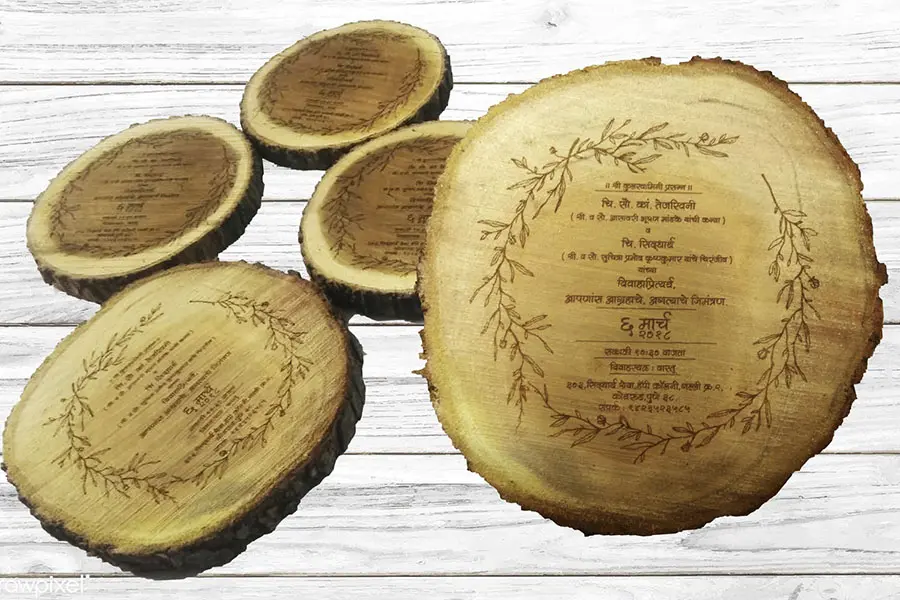
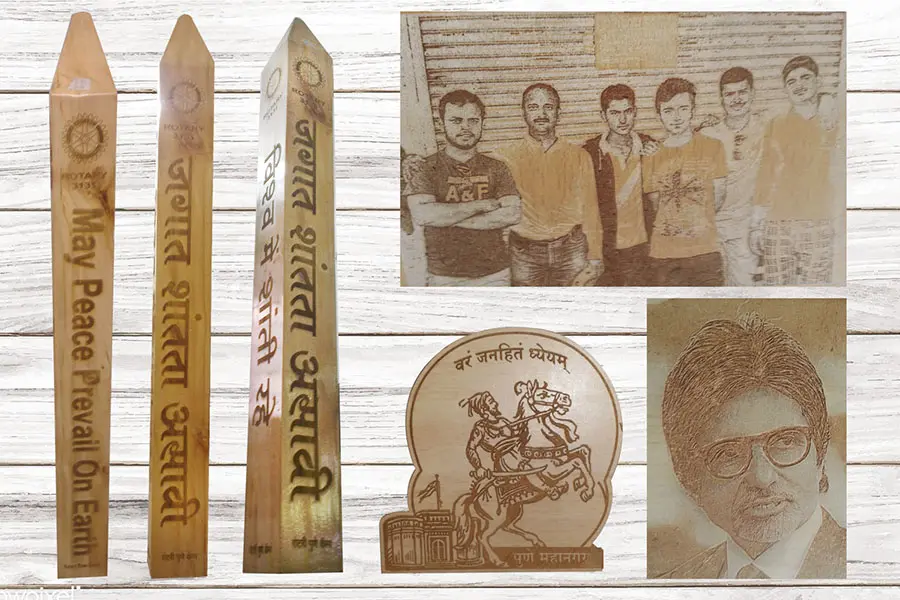
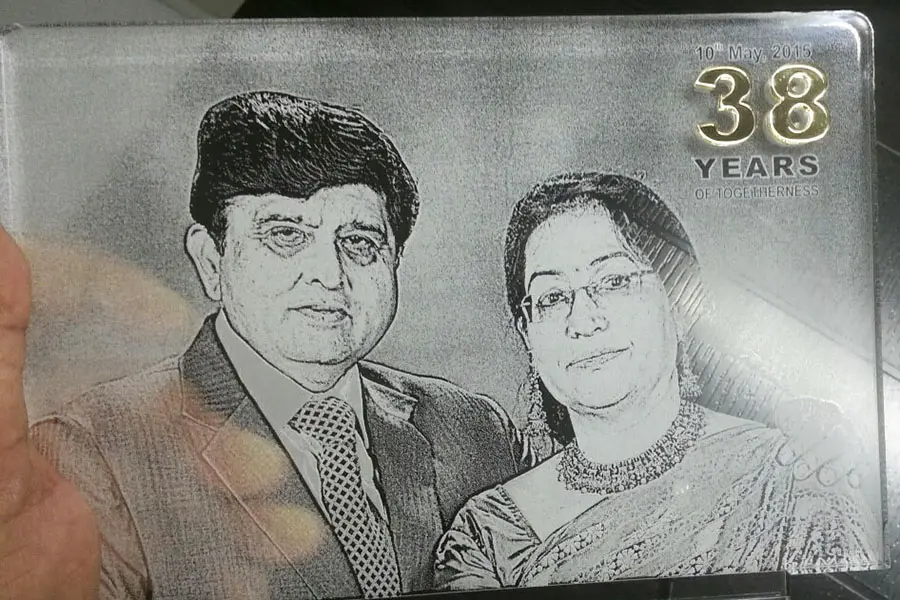
Unlike traditional printing methods, laser etching does not use inks or color to do its job. The process burns or engraves designs on various materials. The laser engraved effect looks extremely beautiful on wood, leather, cloth, plastics and even certain types of metals.
What is Laser Cutting?
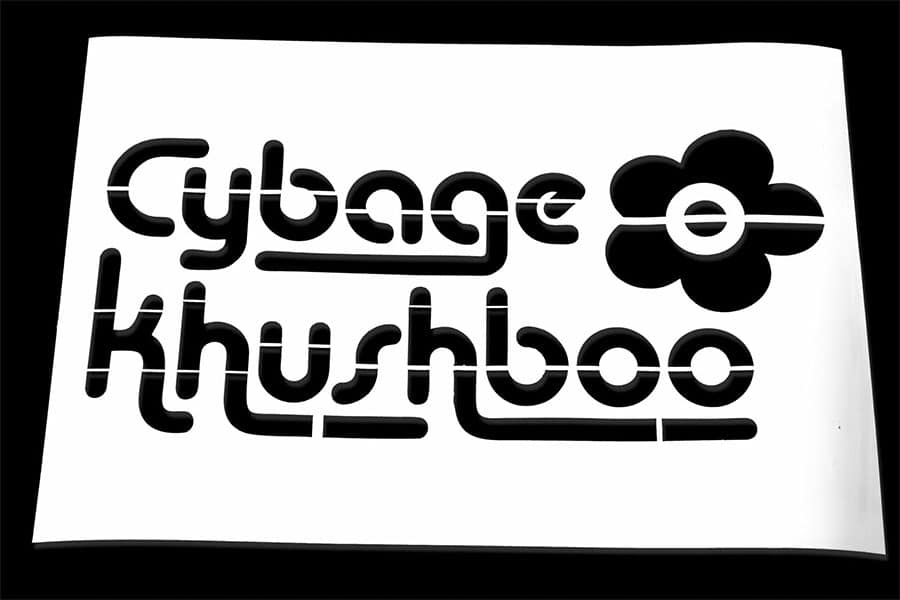
Laser cutting, as the term states, uses a laser to cut through different materials. We generally think of scissors or guillotine blades (like the photo slitters you see in stationery shops) or even die punches*, whenever we need to cut something. But these traditional tools just cannot cut very intricate designs. They might work for simple geometrical shapes like circles and polygons, but there is no way they can cut a curved font like this:
Happy New Year
Enter, laser cutting services and machines.
At Orchid Digitals, we upload complex designs like floral patterns, CAD designs of machines, etc. and we use our two high powered laser cutters to get the job done.
In case you are wondering, both these functions of laser engraving and laser cutting are performed by the same machine. The difference is in the degree or power of the laser that is deployed. More details on this can be found here.
* Die punching is where you first create a metal die in the shape that you need to cut out. You then push this metal die into the material to punch out the desired shape. Our everyday file punch is a perfect example of the die cutting process. We have 2 cylindrical tubes fixed at a set distance in the file punch. You press the punch through a sheet of papers to get the desired shape (round holes of 6 mm diameter in this case, set at a distance of 80 mm from each other).
As you no doubt figured out, creating dies is a time consuming and costly process. It only makes sense to fabricate a die when you need to punch out vast quantities (say thousands of the same design from a material).
What Materials Can Be Laser Cut or Laser Engraved
Laser engraving can be done on just about any material that you can think of. Laser cutting too is possible with a whole lot of materials (with metal sheets as an exception). Here’s a comparison of materials in terms of the process being applied.
| Materials that have to be processed | Is laser engraving / etching possible on this material? | Is laser cutting possible on this material? |
|---|---|---|
| MDF – Medium Density Fiberboard | Yes | Yes |
| Acrylic | Yes | Yes |
| Cloth Fabric | Thick cloth preferred as thin material will burn through and through | Both thick and thin fabrics can be cut |
| Paper | Paper – thick card stock preferred as thin material will burn through and through | Paper – both thick and thin paper sheets can be cut |
| Wood | Yes wood can be easily engraved and very beautiful effects can be achieved Wood / MDF sheets upto 10 – 12 mm can be cut on laser machines. | Trying to cut wood more than a certain thickness needs a lot of laser power. The problem is, when we shoot a laser at high power on wood for longer periods, the material catches fire! Hence we restrict the thickness of the wood for cutting purposes. |
| Thin metallic foil, metallic sheets of paper or metal plated plastic | Yes. But please bring a small sample to check how the job turns out. | Yes. But please bring a small sample to check how the job turns out. |
| Laser ply / Laser engraving metallic sheets: This is a black plastic sheet with a beautiful metallic gold, silver or copper finish on top. It is widely used in the signage industry and for creating name plates | Yes. Laser ply can be engraved. We also stock some sheets of this material. Please check availability of the same before dropping in at our place. | Yes. Laser ply can be cut. We also stock some sheets of this material. Please check availability of the same before dropping in at our place. |
| Soft stones like marble used as paper weight for gifting purposes | Yes. Can be engraved. But results vary from material to material. Please run a sample job first. | Stone cannot be laser cut |
| Veneer – This is a thin sheet of very premium wood. It comes in a variety of textures. People use it for high end visiting cards | Polished veneer can be engraved and will look beautiful | Cutting veneer into different shapes is also possible |
As mentioned above, you can laser cut or engrave just about any material that you can think of.
People also bring in various objects like visiting card holders, key chains, pen stands, cups, machine panels, etc. for processing. Due to the very wide possibilities that laser engraving service opens up, there is no way we can predict or stock standard materials.
So at our laser cutting and routing division, the customer brings in the material or object that needs to be processed. We do stock stencil material, some types of standard acrylic and MDF.
Do give us a call before planning a job, to check if the material is readily available with us.
What Are the Various Applications of Laser Engraving and Cutting
Just about any material can be laser cut or engraved. And our customers are extremely creative with the end applications as well. We have seen people process jaali patterns, birthday cake tags, akash kandil (sky lanterns used in Diwali and Christmas), models planes and buildings, embroidery patterns, lace for cushion covers and curtains, personalised rakhees, labels, number plates, name plates, stands for delicate jewellery like necklaces, etc.
Here is a pretty exhaustive (but not comprehensive) list of applications of the laser cutting and laser engraving industry:
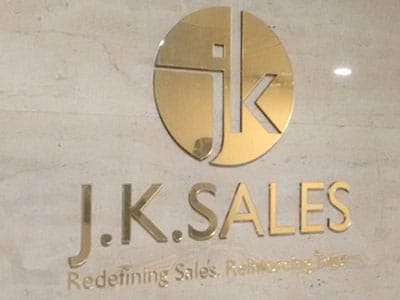
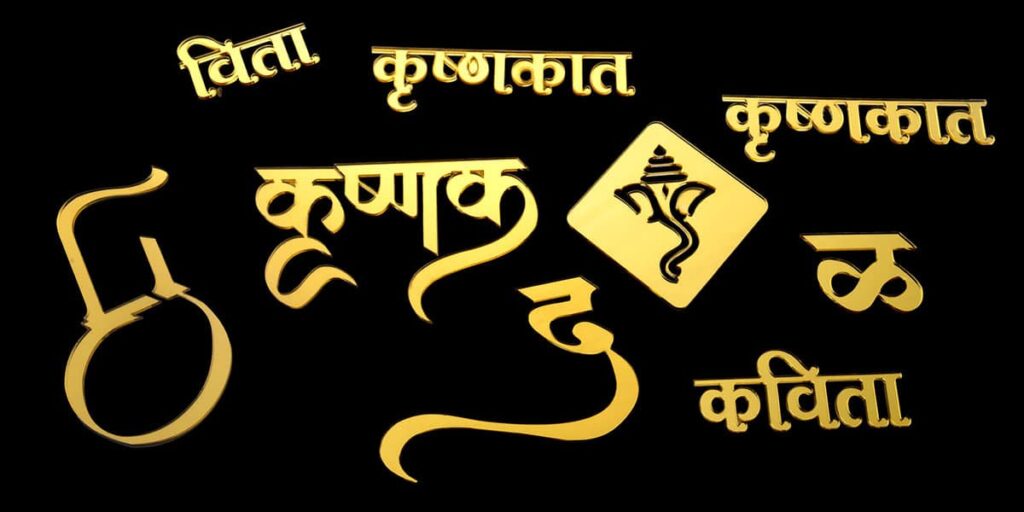
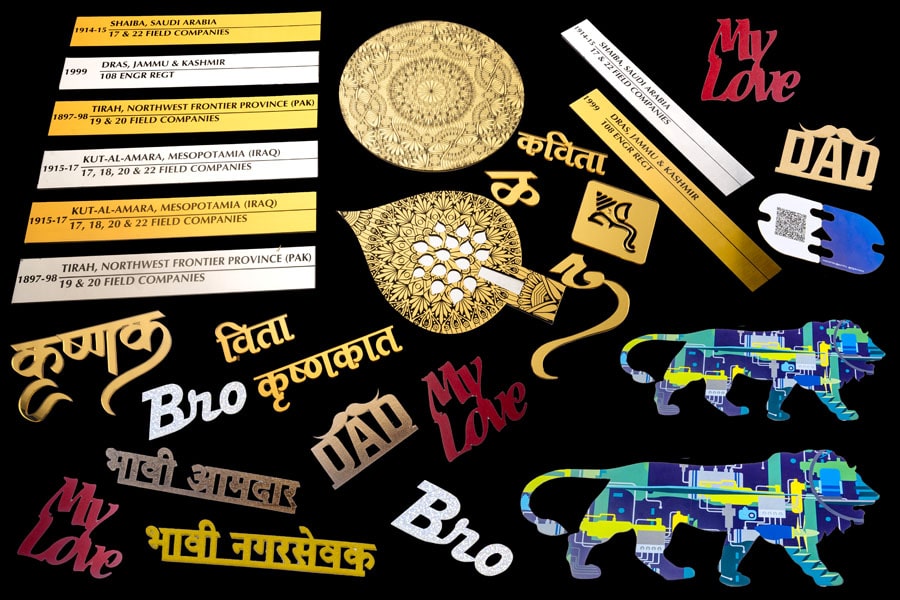
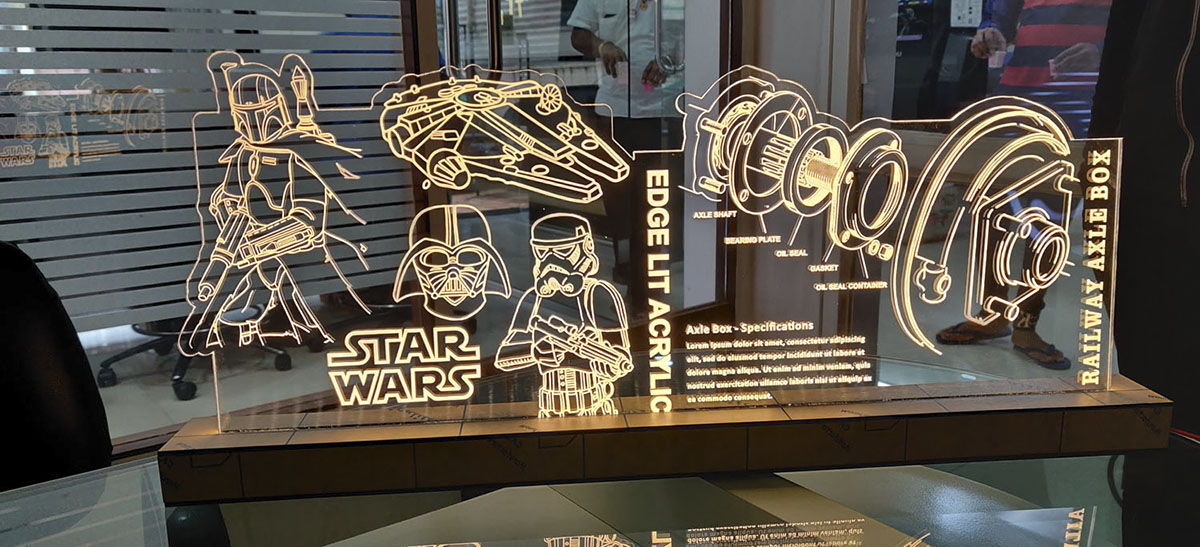
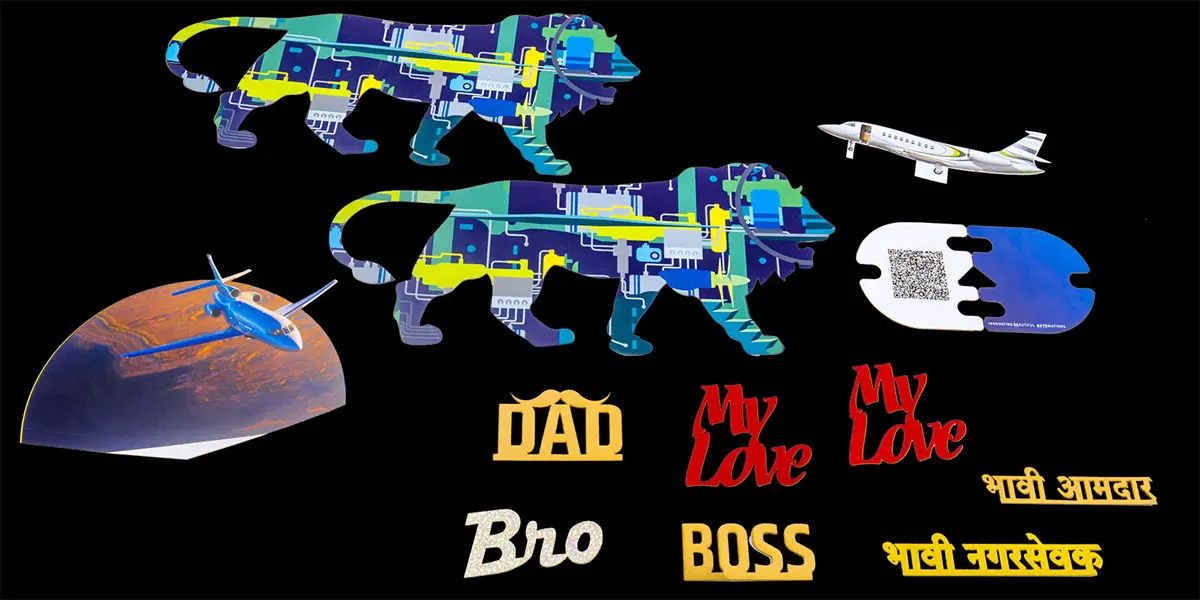
- Acrylic letters and logos for the signage industry: Acrylic is very beautiful glass like material. We use it extensively to fabricate logos and letters for sign boards. Laser cutting machines can output acrylic signs in precise sizes and a very premium, rich-looking finish.
- Tool trays and tool organisers: Engineering companies typically use a lot of tools, each of different sizes and shapes. They laser cut a material called EVA foam (a very high density sponge like material) in the shape of their tools. This laser cut jig works as a perfect tray for storing and packing their tools.
- Jigs for manufacturing and printing shops: Jigs are similar patterns laser cut multiple times in material like paper, acrylic or MDF. Jigs enable processing multiple processing of the same product. An idli tray holding batter for a dozen idlis would be an example of a jig.
Screen printers typically require jigs to print on objects like visiting card holders and wallets. And if the jobs runs into thousands of pieces, a jig holding the wallets in place while being printed upon, makes life easy for them. Engineering companies too, get a lot of these jigs laser cut from us.
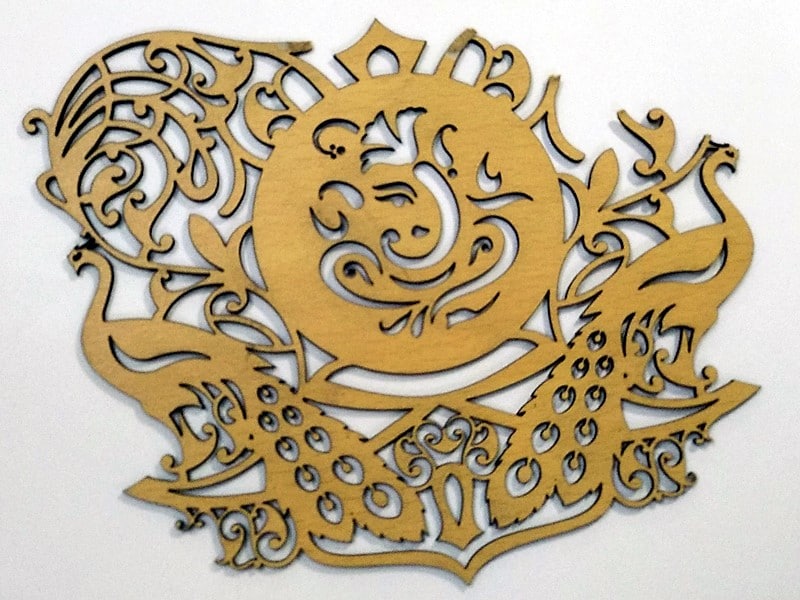
- Fancy paper invitations: Premium wedding invitations have very fancy floral designs cut into them. Some of them also have outlines of Gods or the names of the couple cut on the front page. These designs are very intricate and laser cutting is the only way such wedding invites can be created.
- Jaali / designs cut in MDF: MDF and metallic finish acrylic sheets are extensively used for ‘jaali’ patterns. While small jaalis are used for premium invites and packaging, large jaalis are extensively used in interior design and furniture applications. Again, the intricate vector patterns of jaalis can only be reproduced by employing a laser cutting machine’s service.
- Engraving names or logos on a variety of objects like pens, key chains, diaries, wooden stands, etc.: All of us have come across personalised gifts like pens or key chains bearing the recipient’s name. Corporate gifting is a very big business. And we use laser engraving to personalise those gifts with brand names, company logos and peoples’ names.
- Instrument panels: Instrument panels of machines need to be precisely cut to match the sensors and LEDs below. These panels are generally made of a material called polycarbonate sheet. While vast quantities are generally die-punched, small quantities of instrument panels have to be processed on laser cutting machines.
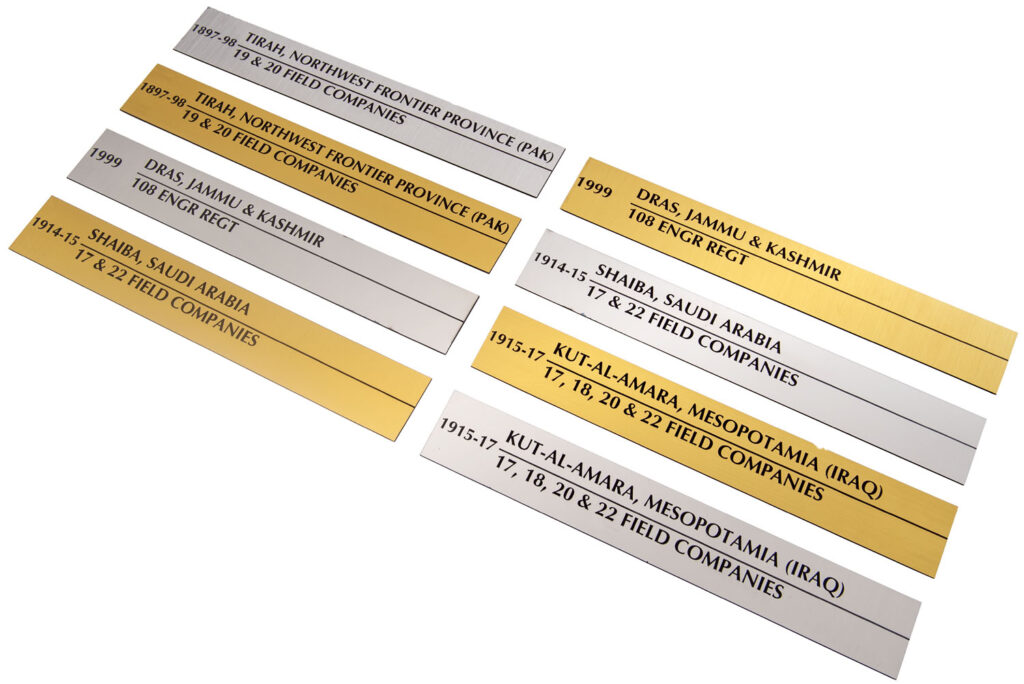
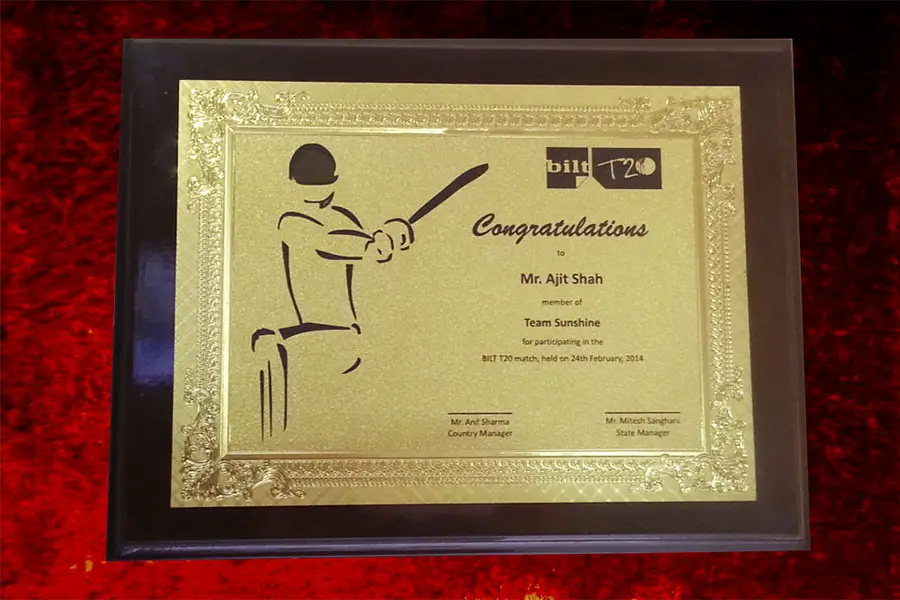
Creating name plates out of golden and silver laser ply: The silver metallic plates that you generally see as direction boards in malls (think of the man / woman icon on doors of the rest rooms) are not really made of metal. We have a material called ‘laser ply’. This is a black sheet of plastic with a metallic coating on top. The metallic finish comes in finishes like silver, gold and copper.
When we laser etch these plates, the top coat burns off to reveal the black plastic beneath. This results in very beautiful and rich looking plates and direction boards. Another every-day item most people can never imagine to be a product of the laser etching service.
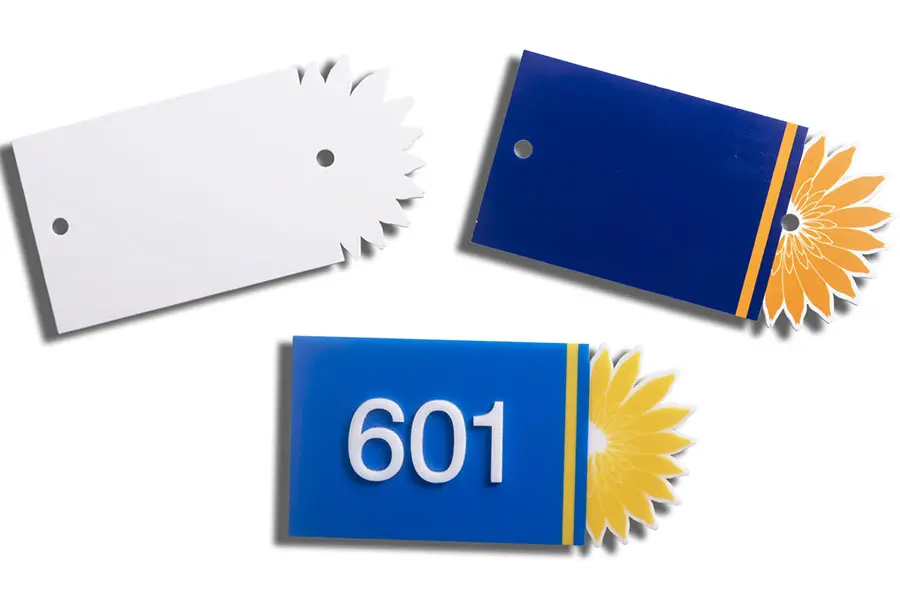
Fancy name plates: These are almost exclusively made of acrylic, wood, and metallic plates. We use laser engraving to etch names on wood. Individual letters on a nameplate are cut out of acrylic.
While we do not provide this service at Orchid Digitals, it is worth a mention in this list about laser engraving applications.
-
Machine plates:
Many machine plates are made from anodized metal. Anodized metal has a colored coating on top of it. For example, an anodized aluminium plate may have a black-colored surface layer. When this plate is laser engraved, the black coating is scratched away to reveal the silver finish of the aluminium underneath.
Since aluminium does not corrode easily and is also quite sturdy, it is a preferred material for creating long-lasting and durable machine plates. Details such as the machine name, serial number, batch number, power requirements, and other specifications can be etched onto the surface of these plates. - Use anodized laser ply / laser stickers for creating labels: Similar to the above application, anodized metallic labels are also available in the market. We can laser engrave text onto these labels, which can then be pasted onto machine parts for identification and branding purposes.
-
Cardboard models for architects:
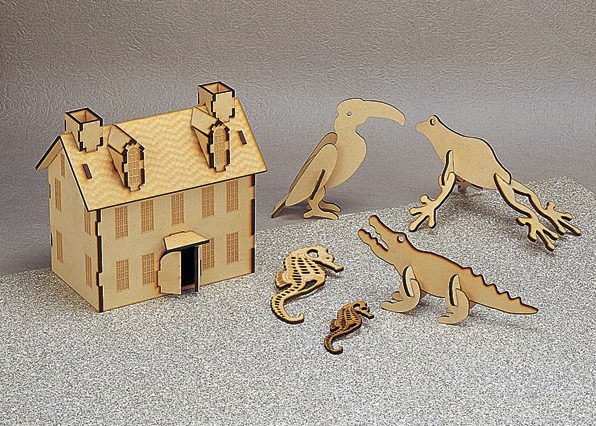
Interior design students and architects often need to create models of houses and rooms. For this, they bring in high-density cardboard that can be cut and creased using our laser cutting machine.
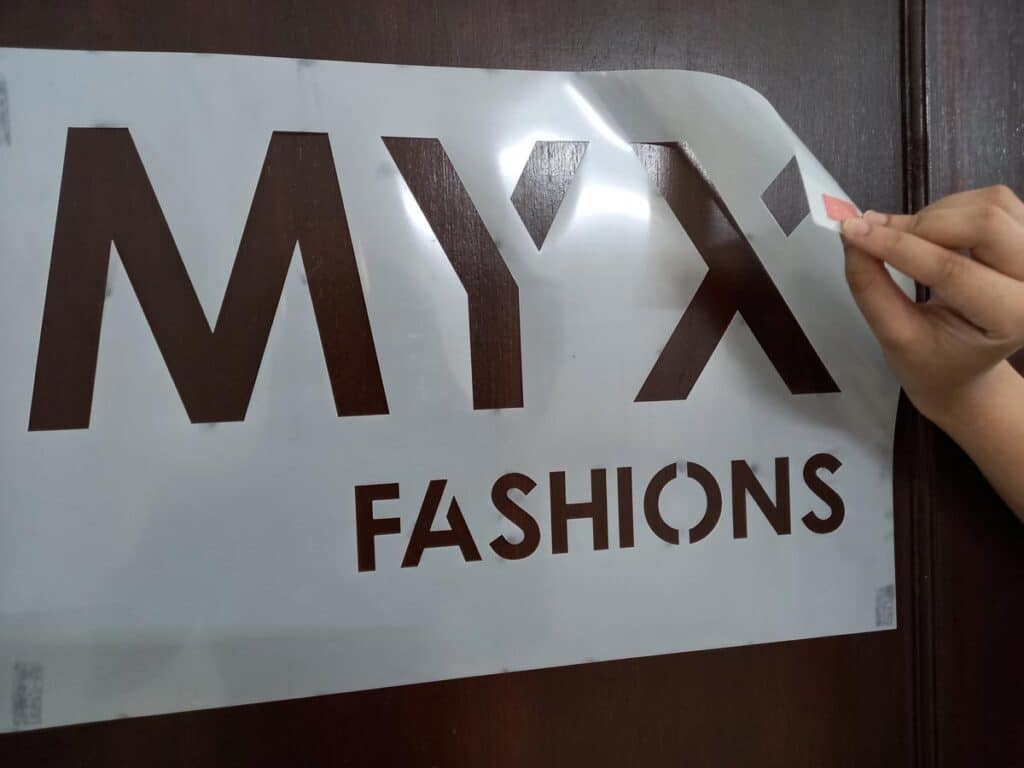
For example, if you want to create a model of a room from a flat sheet of cardboard, the edges, doors, and windows can be cut completely through, while the wall corners are etched or half-cut. The cardboard can then be folded along these etched lines to create a box-like structure representing the room. - Making stencils from plastic sheets or acrylic: DIY enthusiasts, painters, and engineering firms often need to repeatedly paint designs or patterns. At Orchid Digitals, we provide laser cutting services for creating stencils from thin plastic sheets and thick acrylic sheets.
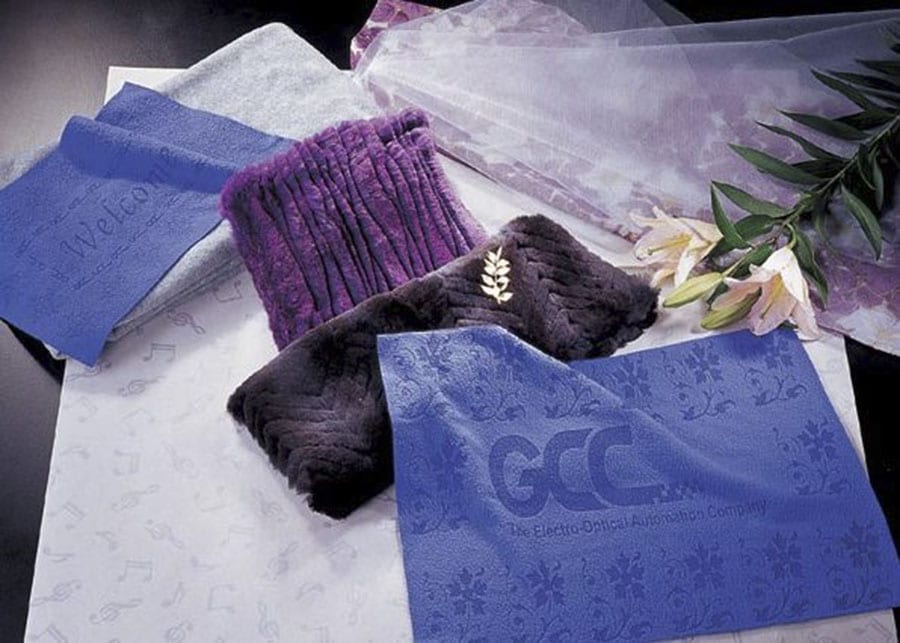
- Fabric cutting for the fashion industry: Students studying fashion design often need intricate patterns cut into fabric. These laser-cut fabrics can then be used for curtain liners, cushion covers, embroidery patterns, and other decorative textile applications.
- Craft items: People conducting craft workshops often come up with highly creative ways to use laser engraving and cutting. They can create cut-out patterns that are folded into lanterns, miniature vehicles, and even personalized rakhis bearing the names of the brother and sister.
What File Formats Are Needed for Us to Process a Laser Job?
For making the best use of our laser engraving service, we require vector design files. These are line diagrams created using 2D design software such as Adobe Illustrator or CorelDRAW. We can also work with CAD files.
If you are planning to commission a laser etching or cutting job, it helps to understand what kind of file is needed to get the job executed properly. Lasers trace a path on the objects they are fired upon. This path can be a simple geometric shape or a highly complex design.
Either way, this line diagram follows a defined equation to create a precise path, and the laser follows this path during engraving or cutting. Read on to understand the types of files designers create.
Printers typically work with the following two kinds of files:
-
Raster / bitmap images:
- Raster files are made up of individual dots or pixels grouped together.
- All photographs and images are raster files. They generally have extensions such as .jpg, .png, and .tiff.
- Images in raster files become pixelated when zoomed in or enlarged.
- If a small-sized image is enlarged, the print quality can deteriorate.
- Raster or bitmap files do not work well for laser cutting jobs.
-
Vector files:
- Vector files work well with laser cutting machines.
- They contain line diagrams based on equations or mathematical calculations from one point to another.
- Lines and shapes are created by joining these points together.
- Lasers can move in straight or curved lines and cut along these shapes.
- Images in vector files do not get pixelated when enlarged.
Here is a great article that explains these two file types in more detail: Vector vs Raster Graphics
Understanding the Process of Laser Etching and Cutting
Our laser machines are fitted with powerful 100–130 watt lasers. Each machine has a flat bed on which the objects are placed. The laser is mounted on a gantry-like mechanism that moves over the bed in both the X and Y directions. The laser beam is triggered, as per the instructions in the design file, when it passes over the object.
There are two main parameters that we control while operating the laser machine:
1. The power at which the laser beam is fired
Our laser machines are rated for a maximum power of 100–130 watts. This is enough to cut through an inch-thick plank of wood. However, this rating only indicates the maximum power at which the lasers can be fired.
We vary the power setting based on the material that needs to be cut. In fact, our lasers can be set anywhere within a range of 10 watts to 130 watts.
Here’s a quick explanation of why this is necessary:
- A high laser power setting on a delicate material, such as silk fabric, might set it on fire.
- Hard materials, such as a 10 mm thick sheet of acrylic or metal foil, are much more difficult to cut through. In such cases, we need to set the machine at a higher power rating to achieve the desired result.
- On the other hand, a laser fired at too low a power may not be enough to get the job done and may even result in uneven or ugly burn marks.
- If we fire a 100 watt laser at a sheet of paper, it would instantly catch fire. Thin sheets of plastic can also burn or start melting. Therefore, to process delicate materials, the laser power must be set much lower.
- Wood, if you are wondering, is generally cut at a power setting somewhere between what is used for paper and acrylic.
2. The speed at which the laser passes over the object
- The speed at which the laser passes over the object is the second parameter we can control. For example:
- If we keep the laser focused on one point of the object, it is likely to cut deeply into it.
- If we move the laser quickly over the same object, it will only scratch the surface and create an engraving effect.
- Let us assume that we want to engrave a design deeply into the surface of wood. In that case, we would keep the power at a medium setting of around 40 watts and reduce the speed at which the laser passes over the wood.
- At the same time, we cannot keep the power too high, or we may end up setting the wood on fire.
Now let us assume that, for the same job, we do not need the engraving to go too deep. In that case, we simply increase the speed at which the laser passes over the object.
While we have a general idea of the speed and power settings required for most materials, it sometimes takes a little trial and error to get laser engraving jobs just right. That is why it makes sense to try a couple of samples first before placing the final order through our laser cutting and engraving service.
Our Work: Laser-Cut Signs and Letters We Have Made
Real jobs from our workshop, photographed on site. Tap a card to see all the photos and the story of each job.

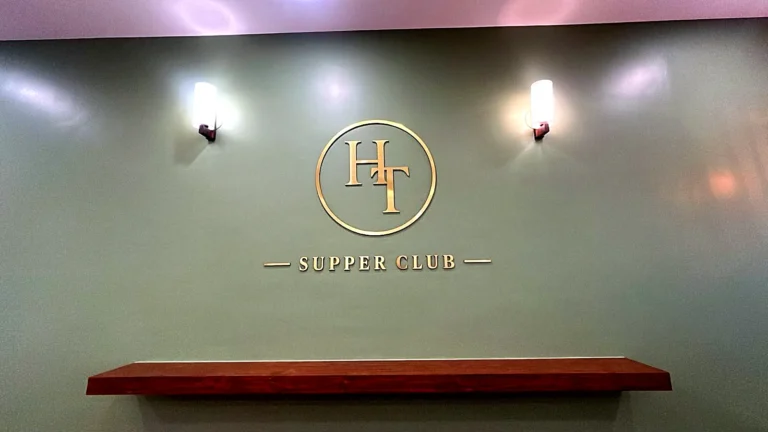
7 photosRestaurants & cafésGold acrylic wall logo, no base plateHer Table Supper Club · Pune
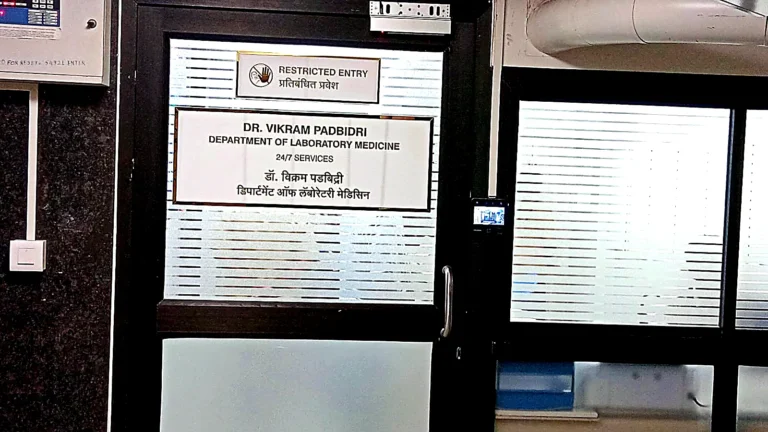
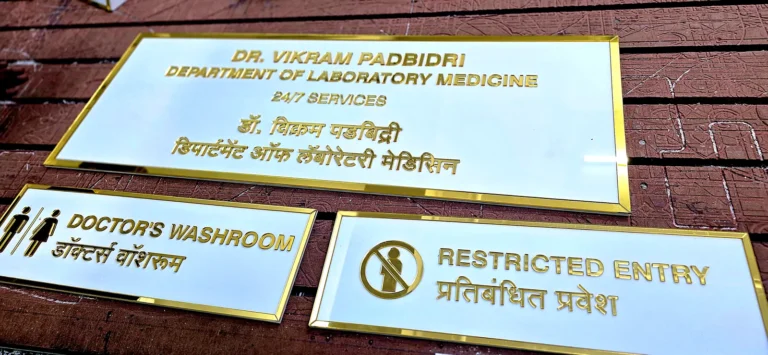
7 photosHospitals & clinicsGold acrylic name platesJehangir Hospital · Pune
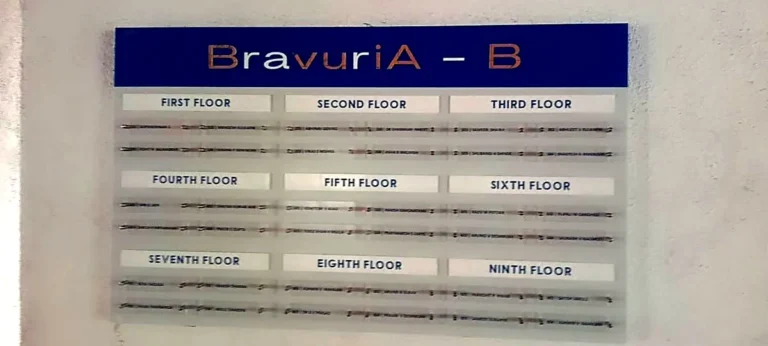
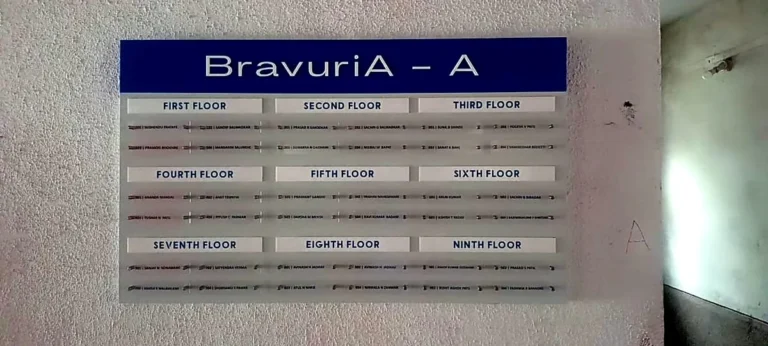
4 photosHousing societiesBuilders & real estateNames change. The board doesn’t.Bravuria · Pune
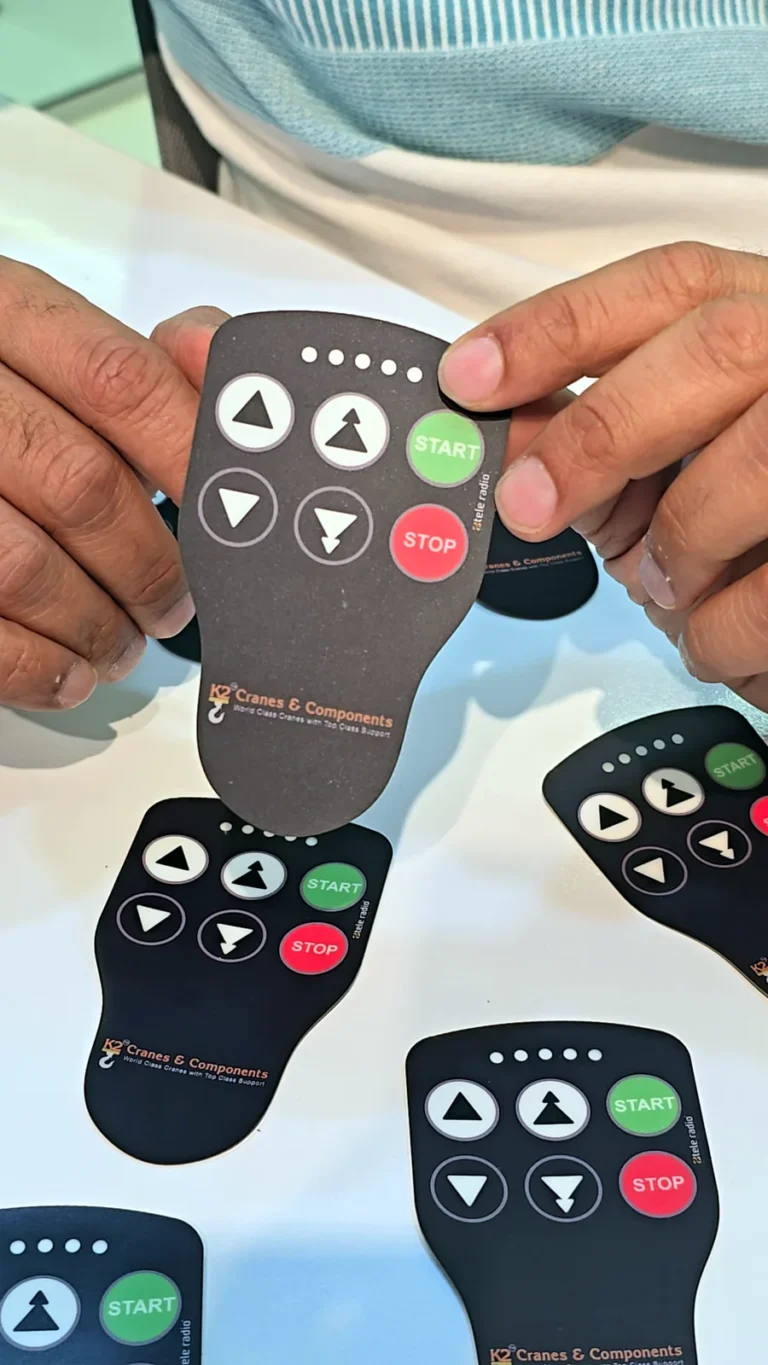
10 photosFactories & industryKeypad overlays for crane remote controlsTele Radio India, for remotes branded K2 Cranes & Components
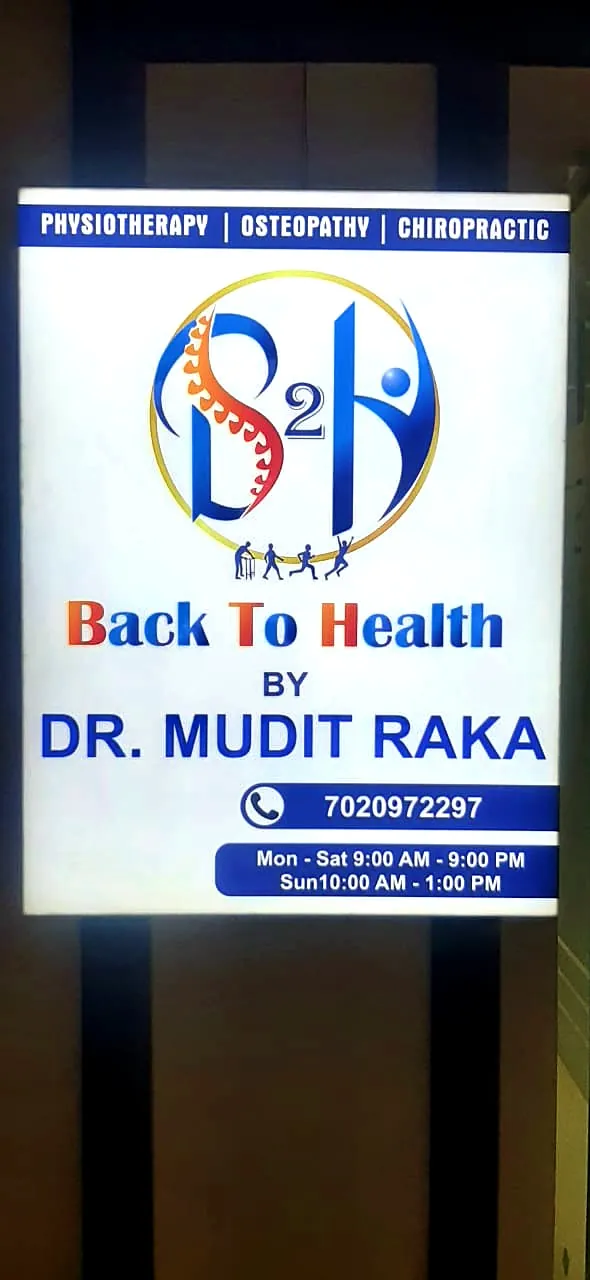
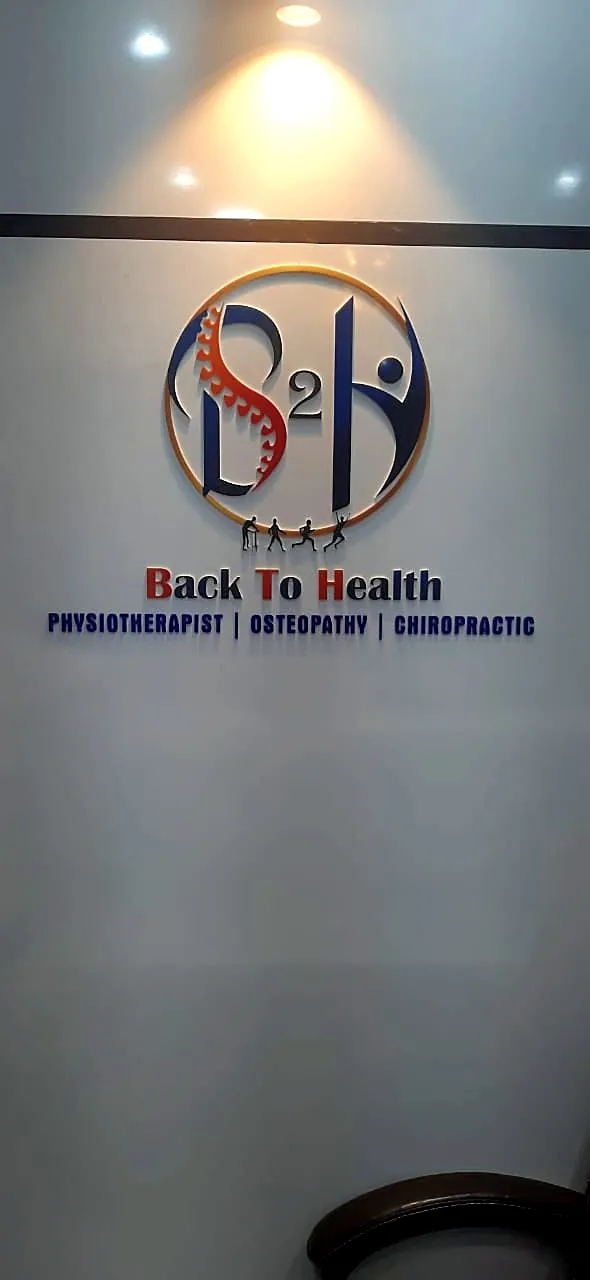
2 photosHospitals & clinicsTiny details. No base plate.Back To Health by Dr Mudit Raka · Pune
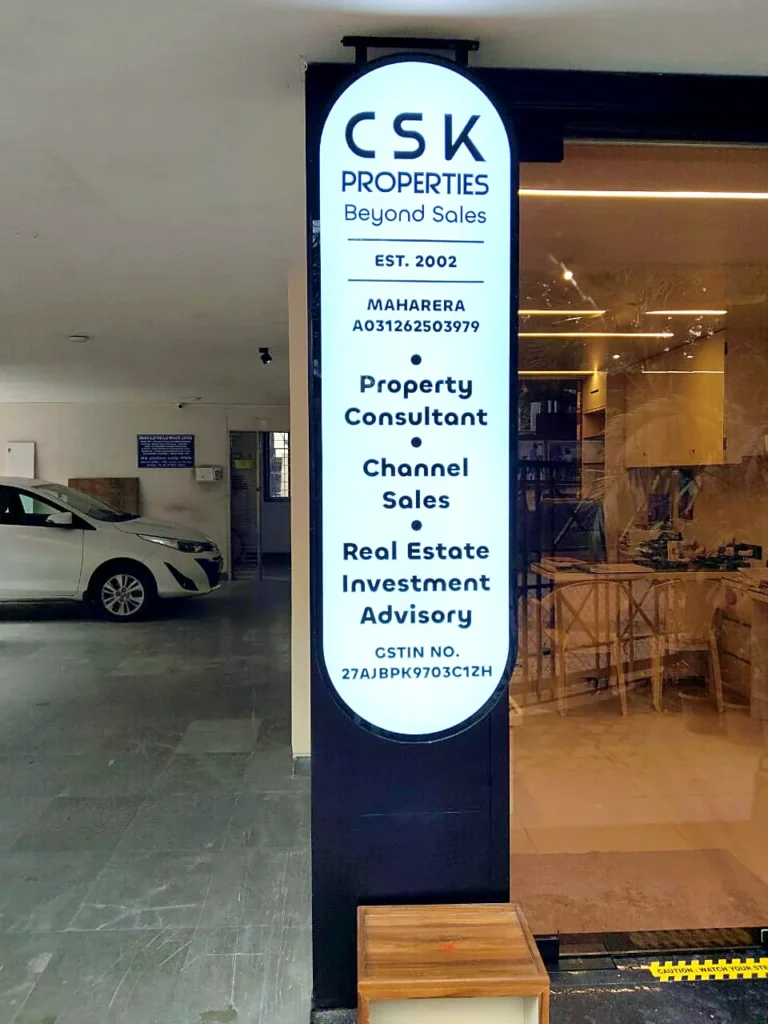
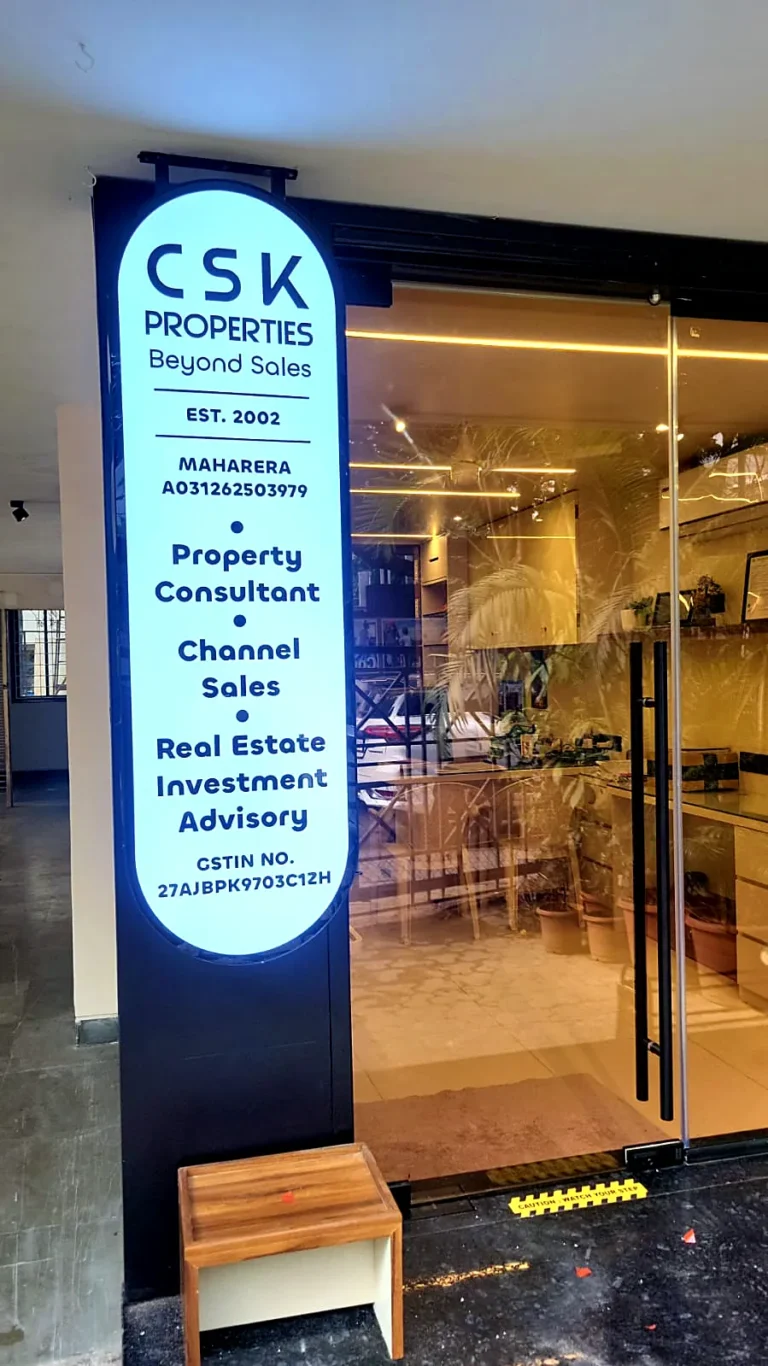
9 photosBuilders & real estateOfficesTall oval LED sign hung from the ceilingCSK Properties · PuneMore laser-cut jobs
- 3D LED boards from our workshop
- ABO Controls factory logo sign
- Acrylic memorial marker
- Aiyoo Appa! 15 ft restaurant sign
- Amar Tea Co. marble and gold sign
- Antyodaya reception logo board
- ARYA Physiotherapy name board
- Backlit art frames, Jehangir Wellness
- Beelogical office wall logo
- Chemists Association lit logo
- Cocoa Patisserie, three signs
- Dental clinic reception board
- Dr Purnata clinic name boards
- Gokul Traders bilingual 3D LED fascia
- ICMR-NIV logo boards
- Image Electricals counter LED boards
- ISKCON Pune BCEC logo board
- Jehangir Hospital LED selfie frame
- L&T colour-changing LED logo
- Namo Jewels 3D acrylic sign
- Panacea dental clinic lit signs, Kothrud
- Pebbles dual-tone 3D sign, MG Road
- Ravima sales gallery wall branding
- Royal Connaught Boat Club 50 ft letters
- Specklin clinic 3D LED board
- Swojas Advait building-shaped pylon
- TINNIRI restaurant 3D LED sign
- V3 Tyres showroom pylon
- Vruksh Yoga backlit logo boards
- Yashogandharva hanging LED letters
Read more on our blog
- How 3D LED letters are made
- Gold acrylic logo board for ISKCON Pune, BCEC
- Gold acrylic wall logo for Her Table
- A personalised jigsaw puzzle
- A swastik-shaped custom photo frame
- A personalised Rubik’s cube
FAQs | Frequently Asked Questions
We offer the following two types of services
1. Laser engraving
2. Laser cutting
Engraving is where we scratch or make a mark on the top surface of the material. And cutting involves cutting the material through and through.
You can process a wide variety of materials like paper, MDF (wood), plastic, polycarbonate, metal foils, cloth, leather acrylic, etc.
No, we do not stock the above materials. We offer processing services on the same. The clients bring in their own choice of media.
Laser engraving or cutting is charged at Rs.10.00 per minute of machine time. This means that if a job takes us 5 minutes to process, it will cost rupees 50.00 plus taxes.
Intricate designs, thicker media, or harder-to-cut materials require more time on the machine. And this impacts the overall cost.
Yes.
We use high-powered laser beams to process jobs at our end. And at times, there are chances of your material getting damaged. For example, the edges of some plastic sheets tend to melt. Or faint burn marks show up on some sheets of paper.
So before initiating the job, do run a small sample to check your material compatibility.
Laser machines work best with vector file formats. Please ensure that your artworks are created as vectors in software like CorelDraw, AI, etc.
The minimum billing amount is Rs.2000.00 plus taxes.
Yes. Online payments are accepted at Orchid Digitals. In fact we try to finish the entire job online. All you need to do is mail us your artwork/design file along with the requisite dimensions, material specifications, copies needed, etc.
After evaluating/understanding your project requirement we send across an estimate for the same. This estimate (in the form of a Proforma Invoice) will also contain an online paylink encoded in a QR code.
Scan the QR code to make the payments.
Once the funds are transferred, we process the job and the ship the same across to you.
Most laser processed jobs can be shipped/delivered anywhere in India.
What Is the Price for Laser Engraving and Laser Cutting Services?
Prices for both laser cutting and laser engraving services are the same. These are, in fact, based on the time it takes to cut or engrave a particular job. For example:
- If the material that needs to be laser cut is very thick, we are going to have to run the laser for a longer period of time to get the job done, than it would take for cutting the job on a thinner material.
- Also, a laser machine will take longer to engrave a more intricate design than a simple design.
Hence the price for cutting or engraving any job is directly proportional to the amount of time it takes to finish that job.
At Orchid Digitals, we charge Rs.10.00 per minute of laser machine time.
To illustrate with an example: if it takes 30 seconds to cut a simple circle on a thick card paper, the cost of that job would be Rs. 5.00 (Rs.10 minute * ½ minute to complete the job).
Let us assume that another job calls for cutting a detailed stencil on the same card sheet. Now the machine takes 15 minutes to finish the cutting. So the cost of the job would be Rs. 150.00 (Rs.10 per minute * 15 minutes to complete the job).
So, unless you actually process the job once, getting an exact cost is difficult.
| Price for Laser cutting or Laser engraving service for a design |
|---|
| Rs.10/- per minute + 18% GST |
| Time is calculated from the moment the job is actually fired on the machine. Prepress for file setting or machine make ready is not included. |
Pricing Notes — Laser Engraving
Please Note
18% GST is applicable on the rates quoted.
Shipping & Delivery
- Laser engraving jobs can be delivered anywhere in India.
- Delivery charges are extra and will be communicated to you once we receive the delivery address.
Get a Quote for Your Laser Engraving and Laser Cutting Job
Please leave us your details and we will respond promptly